FEMA Reform
Modernizing Disaster Recovery for Public Power
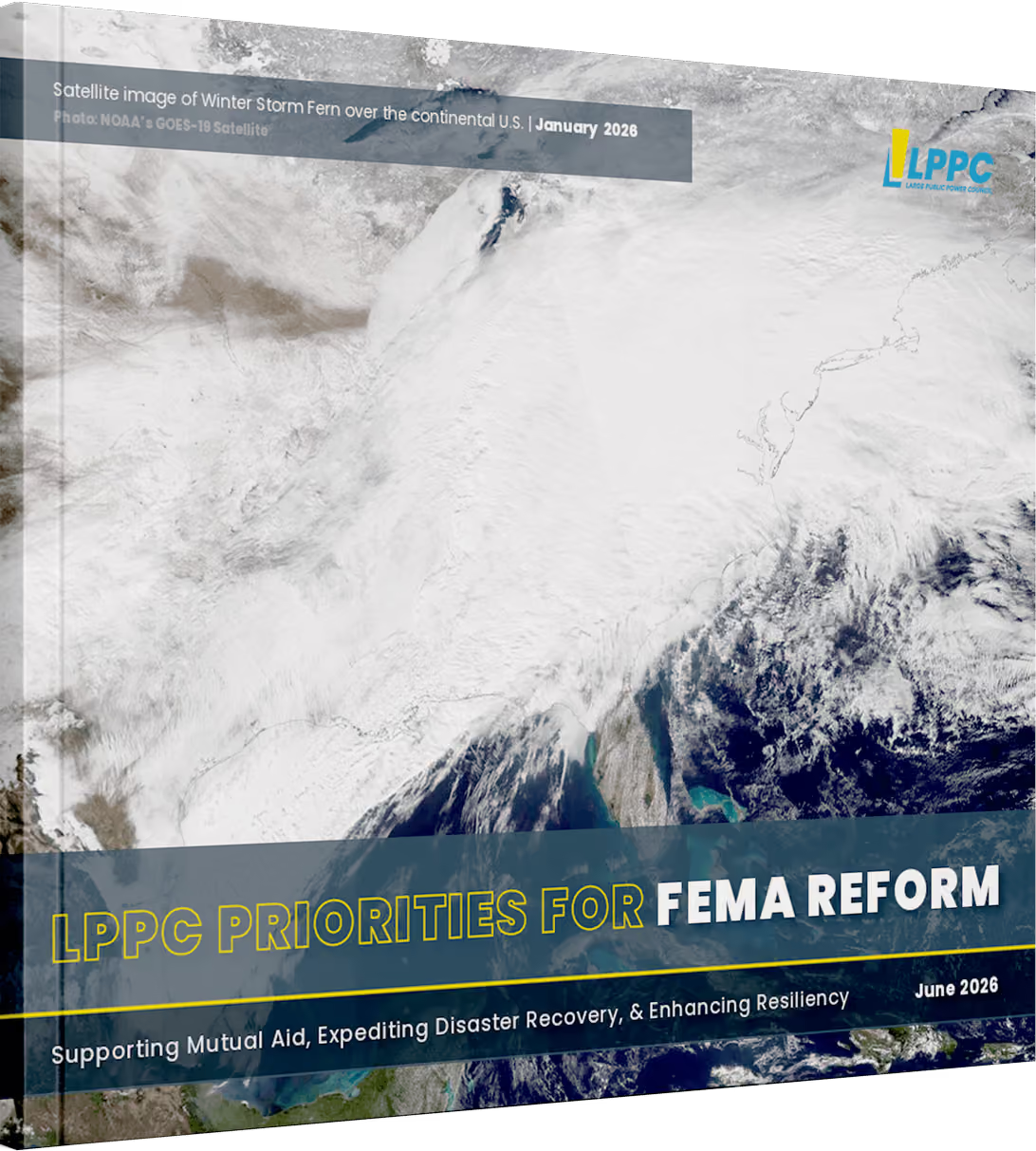

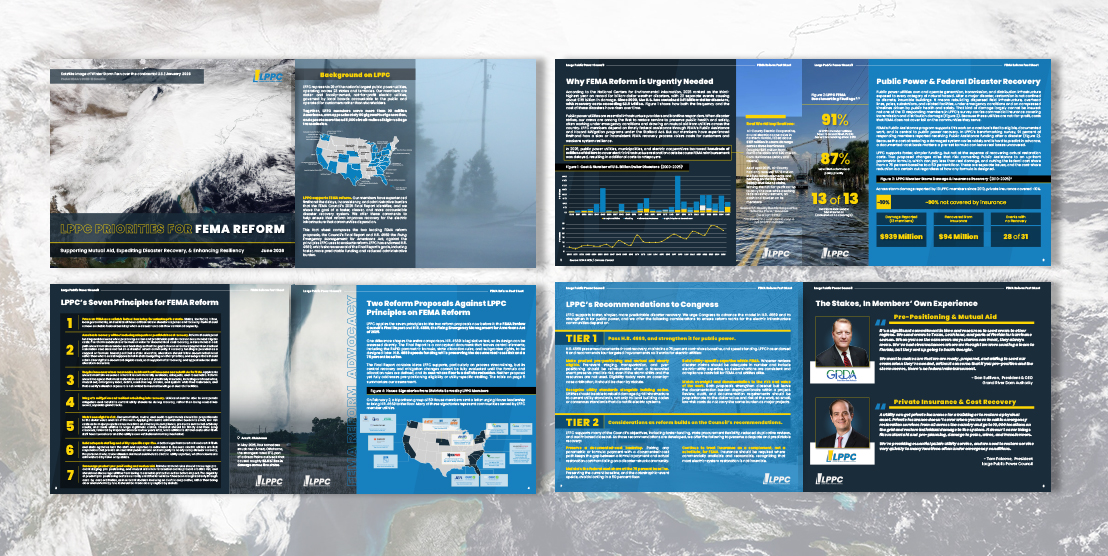
When FEMA reimbursement is delayed, public power customers pay the price. See LPPC’s priorities for reform.

.webp)



The Issue
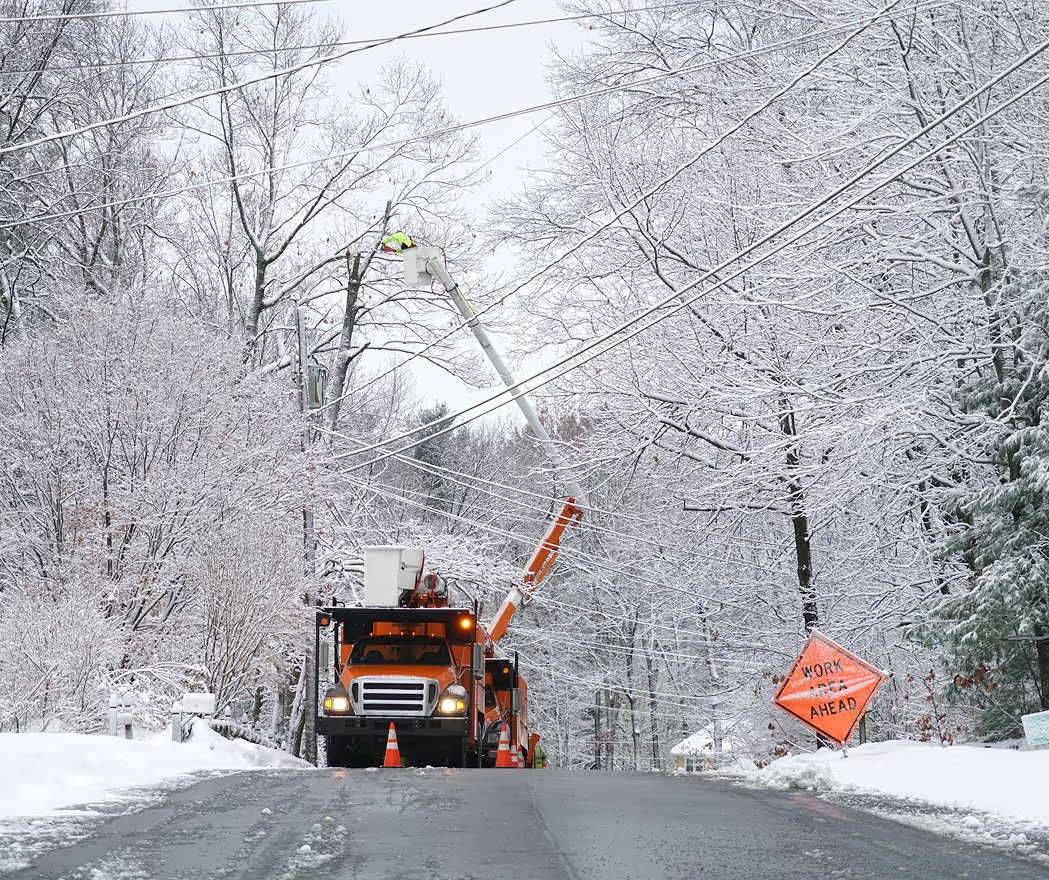
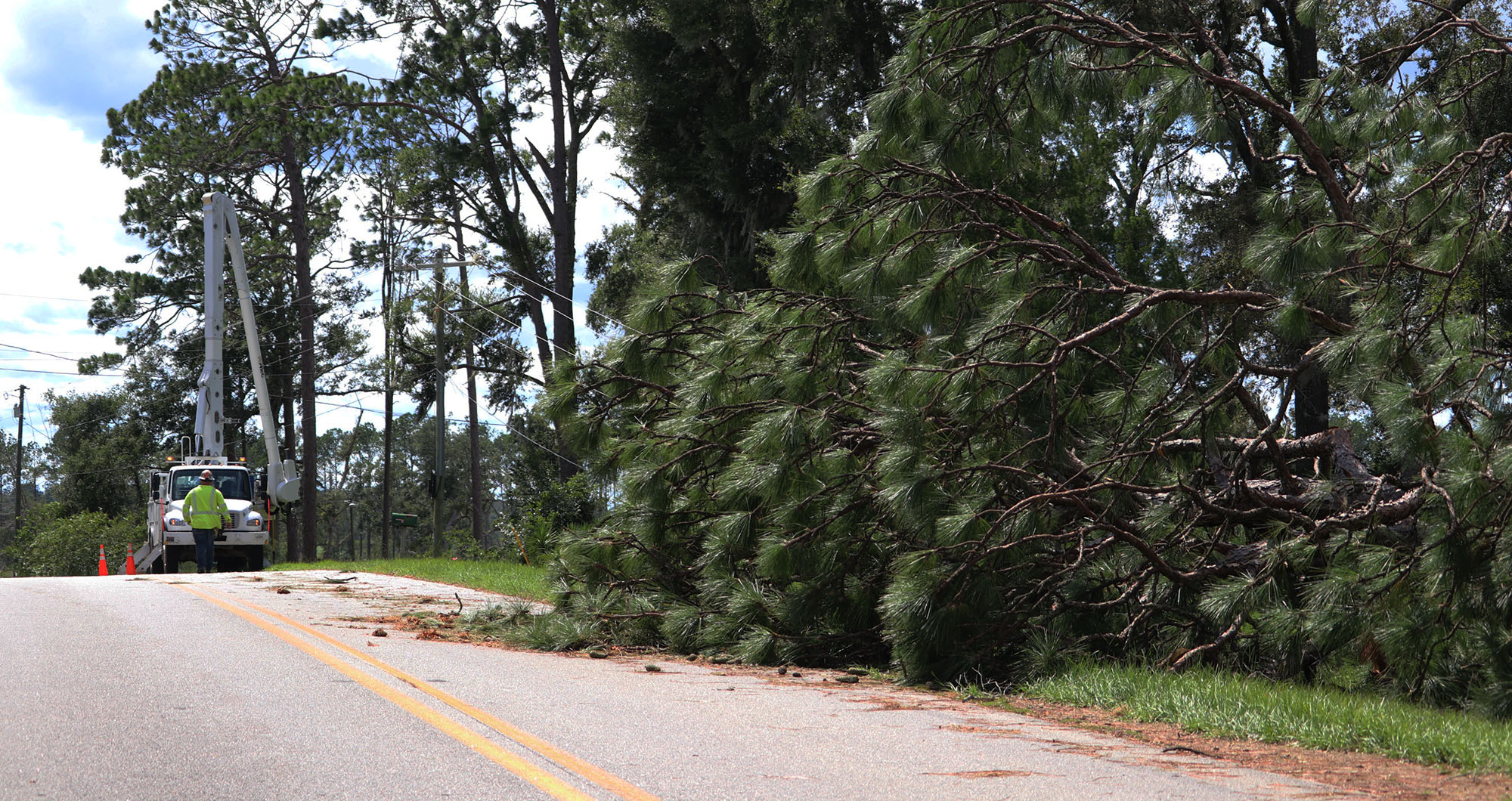
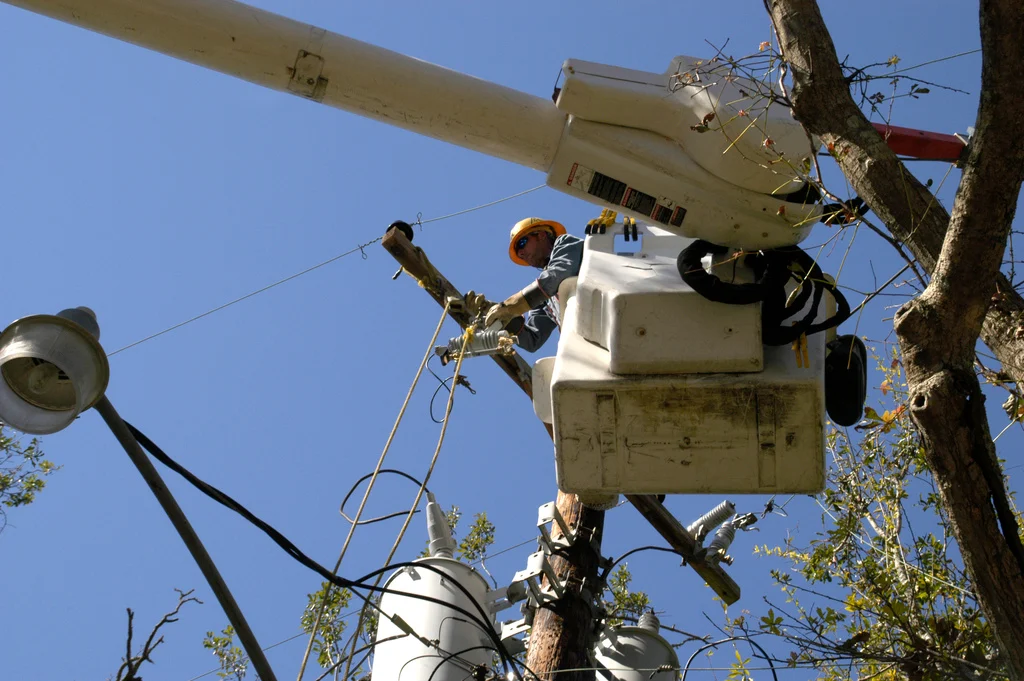
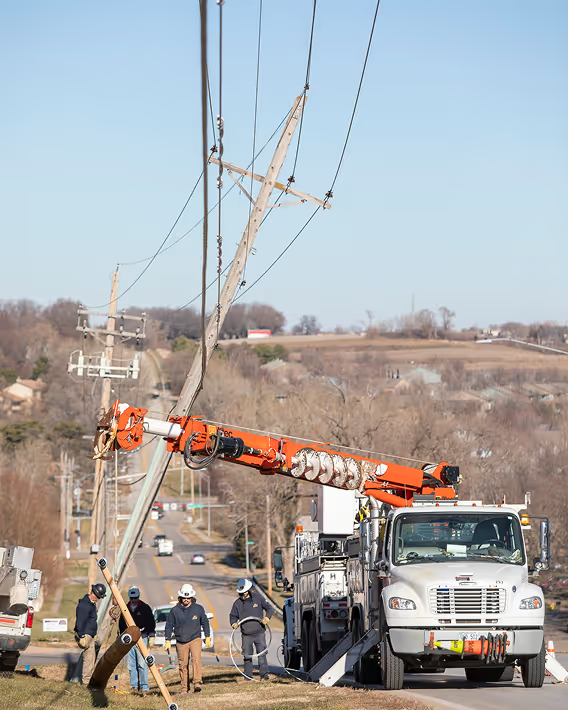
Public power utilities are on the front lines when hurricanes, floods, wildfires, winter storms, and other disasters damage the electric grid. Restoring power is essential to public safety, economic recovery, and community stability.
FEMA is a critical partner in that recovery, but its current processes are too slow, inconsistent, and difficult to apply to electric utilities. Public power utilities often face unpredictable & delayed reimbursement decisions, outdated “like-for-like” rebuilding rules, and separate mitigation approval tracks that can delay permanent repairs and increase customer costs.
Our Position
Pass H.R. 4669 and Strengthen It for Public Power
LPPC has endorsed H.R. 4669, the bipartisan Fixing Emergency Management for Americans Act, and urges Congress to strengthen it for public power utilities. H.R. 4669 would move FEMA toward a project-based Public Assistance program, establish clearer timelines, modernize procurement rules, and help communities rebuild damaged infrastructure faster. LPPC supports these reforms and recommends targeted improvements to ensure they work for electric utilities.
Recently, LPPC submitted comments on President Trump's FEMA Review Council's Final Report. LPPC supports many of the Report's objectives, including faster funding, state procurement and review flexibility, reduced duplicative reviews, and audit-based closeout.
LPPC's comments emphasized that most public power restoration costs are not insurable, so private insurance cannot substitute for federal support. That is why LPPC continues to stress the importance of FEMA as a reliable federal backstop, and will work through the open questions in the Report's recovery framework as it develops.

Preserve FEMA as a Reliable Federal Backstop for Catastrophic Events
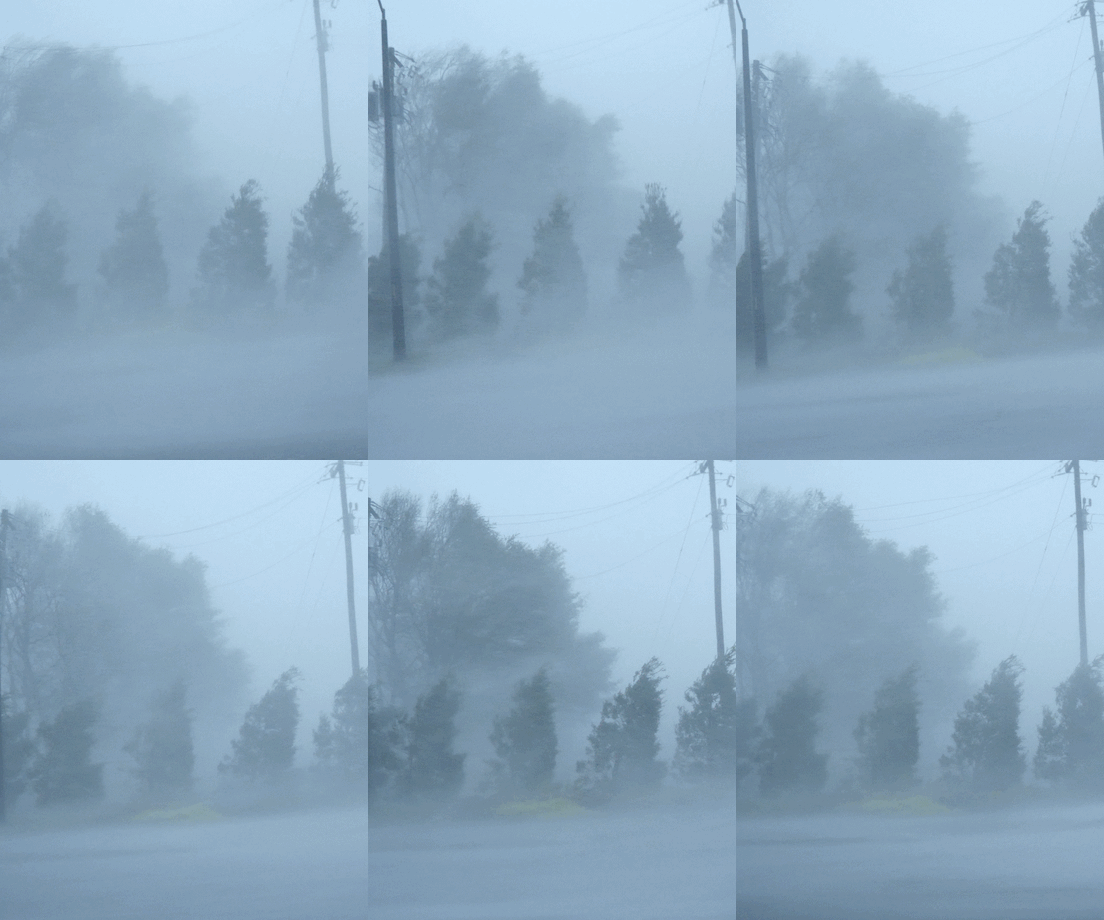
States, territories, tribes, local governments, and utilities all have critical roles in disaster response and recovery. FEMA should remain a reliable federal backstop when a disaster exceeds their combined capacity.

Accelerate Recovery without Reducing Adequate Cost Recovery
If a reform substitutes a formula or index for documented-cost recovery, a documented-cost path should remain available as a backstop, so that the gap between a formula payment and actual restoration cost does not fall on a disaster-struck community.

Require Insurance where Reasonable, but not as a Substitute for FEMA
Applicants should maintain insurance where it is commercially available, adequate, and reasonable. Reform should recognize that most electric-system restoration costs are not practically insurable.
Reimburse Prudent
Pre-Positioning & Mutual Aid
Reasonable costs to stage crews, materials, and equipment before a forecasted disaster should be eligible for reimbursement, even if the storm shifts and those resources are not ultimately used.

Build Adequate Staffing & a Utility-Focused FEMA Unit
FEMA should have permanent utility expertise to improve consistency, reduce delays, and lower compliance costs for both FEMA and utility applicants.
Recognize Utility Standards in Statute
Electric utilities should be able to rebuild damaged grid infrastructure to current utility standards, not just local building codes or outdated like-for-like designs.
What’s at Stake
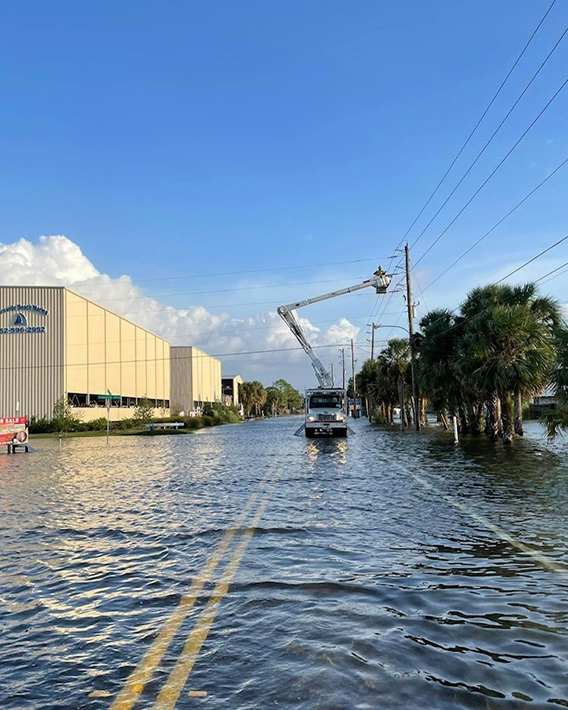
When FEMA processes delay reimbursement or force utilities to rebuild to outdated standards, costs fall on local customers and communities remain more vulnerable.
FEMA reform can help public power utilities restore service faster, reduce repeat damage, protect customers, and preserve accountability for federal funds.