
Private Use
Modernizing Outdated Treasury Regulations

How a 1998 Treasury rule is impeding public power from serving AI and data center growth.






The Issue
America is seeing rapid growth in electricity demand from data centers, artificial intelligence, advanced manufacturing, and other large-load customers.
Public power utilities are ready to serve that growth, but doing so often requires major investments in generation, transmission, and grid infrastructure.
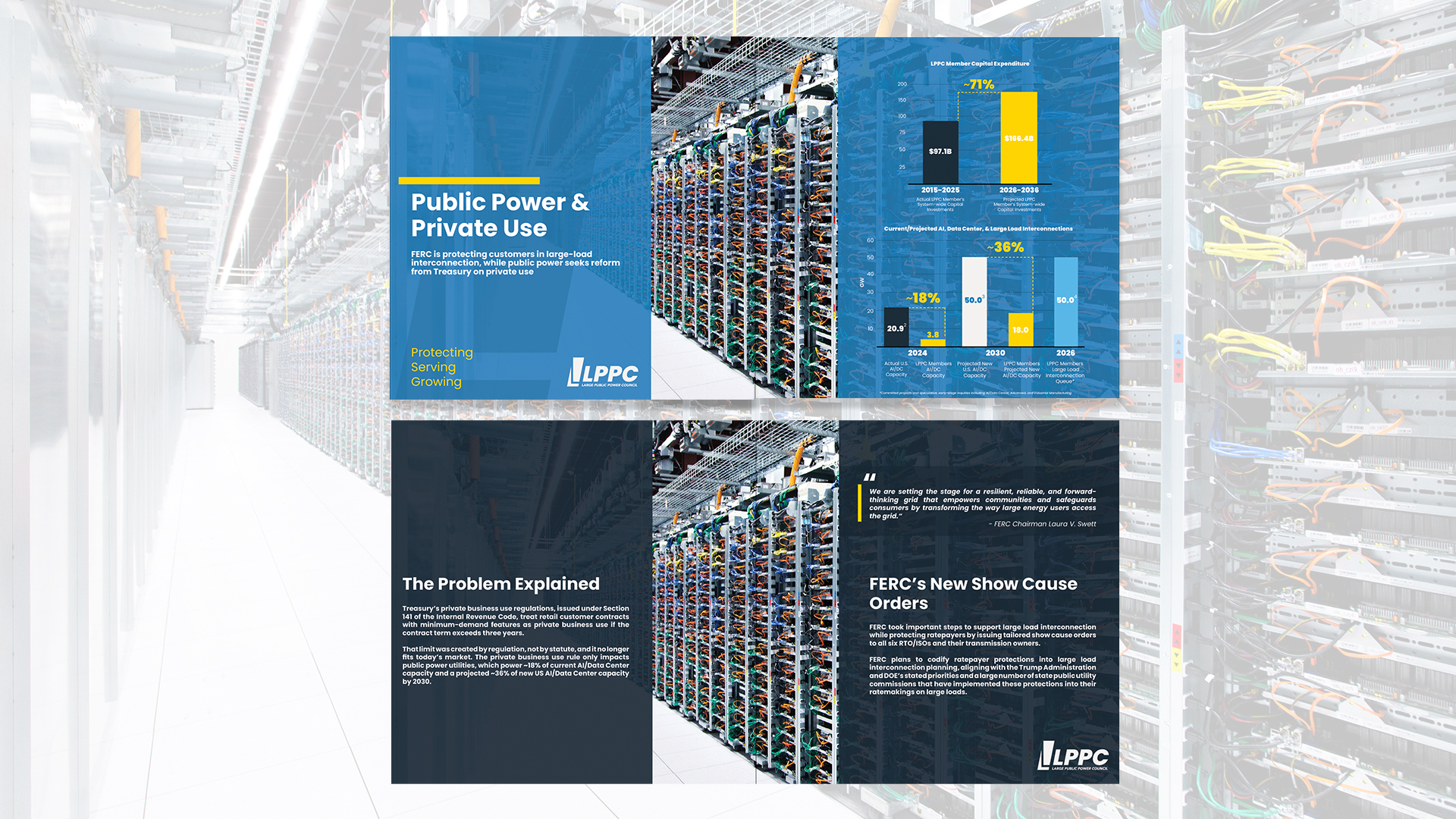
Current Treasury regulations make that harder. Under rules interpreting Section 141 of the Internal Revenue Code, retail customer contracts with minimum-demand features can be treated as private business use if the contract term exceeds three years. That limit was created by regulation, not by statute, and it no longer fits today’s market.
Treasury’s rules also create uncertainty when public power utilities seek to acquire existing generation resources. Section 141(d), enacted in 1987, governs the use of tax-exempt bonds to acquire existing privately owned power facilities, but Treasury has not issued guidance on how these rules apply. Clear guidance would give public power utilities another tool to acquire generation assets that can serve customers in their existing service areas.
Restrictions:
Under outdated Treasury regulations interpreting § 141 of the IRC, retail customer contracts that include minimum-demand features are treated as private business use if the contract term exceeds three years.
Unintended Consequences:
Congress did not legislate a three-year cap on retail customer contracts; the three-year limit is entirely a regulatory construct that Treasury can revise under its existing authority.
Reality:
The three-year limit might have been workable when load growth arrived gradually and a “big” new customer meant 25 to 50 megawatts, but it is not workable in today’s environment.
Our Position
LPPC supports targeted updates to Treasury’s private business use regulations so public power utilities can protect existing customers, serve growing demand, and finance needed infrastructure.
Treasury should allow longer-term contracts with very large customers whose electricity needs require major grid investments, and it should clarify Section 141(d) rules so public power utilities can acquire existing generation assets that serve their communities.

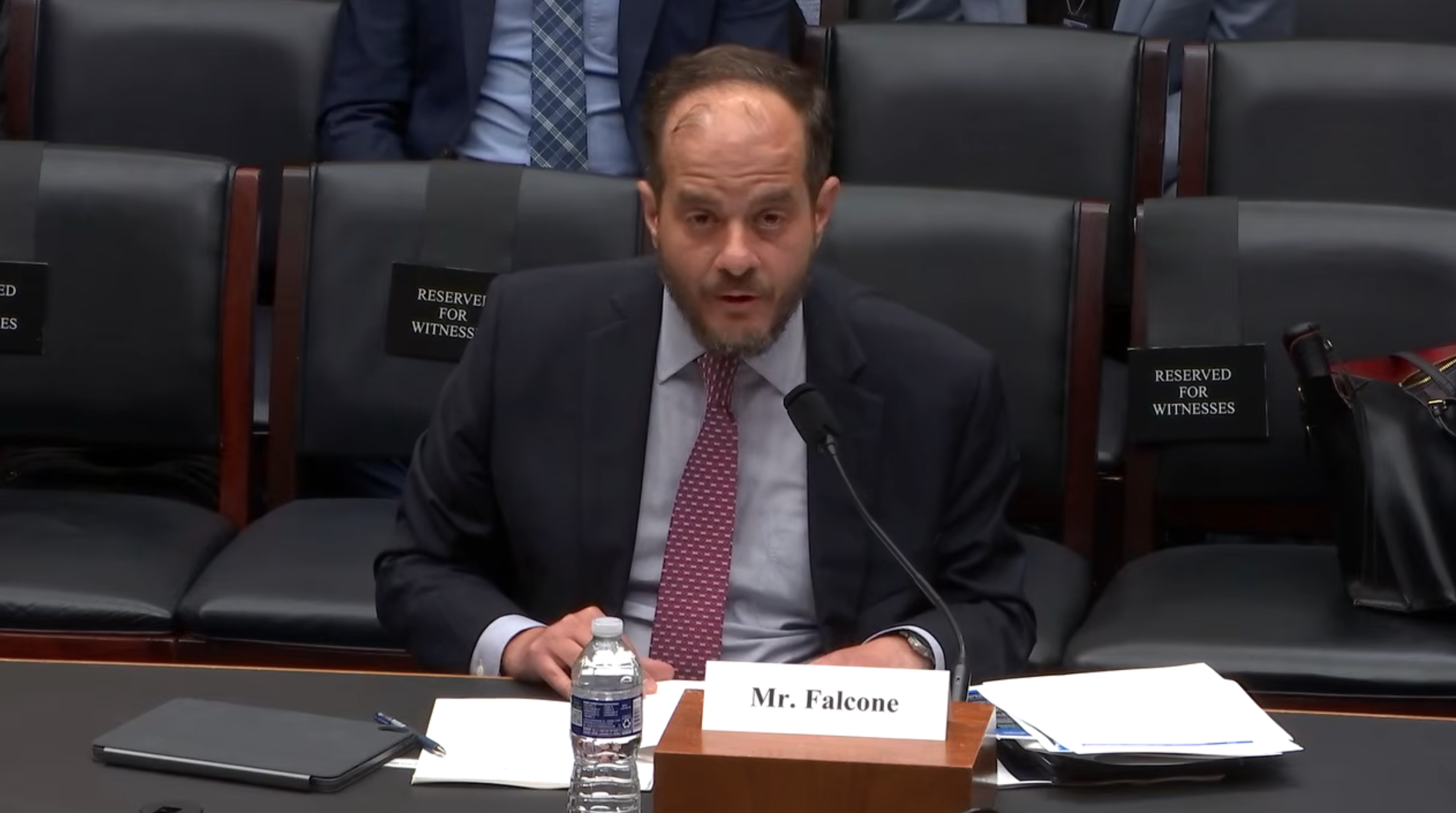
We’re either going to get reforms of regulation at Treasury or at some point our utilities are going to have to say, I’m sorry I can’t build for you.
Tom Falcone
President, LPPC


What’s at Stake
Without Treasury action, public power utilities may be forced to choose between accepting major financial risk for existing customers or delaying service to large new customers that are important to economic growth, advanced manufacturing, and U.S. competitiveness.
Modernizing these rules would allow public power utilities to invest responsibly, serve growing demand, acquire needed power resources, and protect customer-owners from costs they did not cause.
Without private use reforms, LPPC member utilities are left with only bad options: