LPPC Submits Comments to DHS on the Final Report of the President’s FEMA Review Council
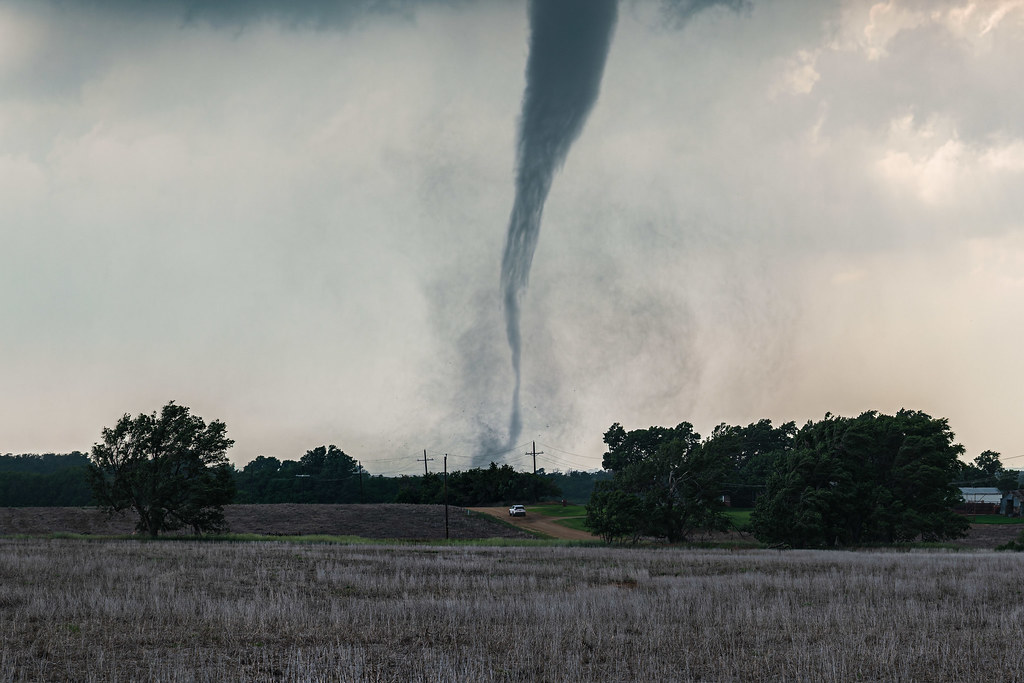
Public power utilities own and operate generation, transmission, and distribution infrastructure that is geographically dispersed and exposed to every category of natural hazard. After a major disaster, restoration is not confined to discrete, insurable buildings. It involves rebuilding widespread field infrastructure, including overhead lines, poles, substations, and related facilities, under emergency conditions and on compressed timelines driven by public health and safety.
FEMA’s Public Assistance program supports this work on a cost basis tied to eligible, documented work, and the program is central to public power recovery: in LPPC’s 2025 benchmarking survey, 91 percent of 24 responding member utilities reported receiving FEMA Public Assistance funding after a disaster. The actual cost of restoring a damaged system is difficult to predict in advance and varies widely with the nature, location, and severity of the damage; much of that cost also cannot be insured. Both features bear directly on the reforms the Final Report proposes.
These comments focus on the Final Report’s recovery and mitigation recommendations. They also reference H.R. 4669, the Fixing Emergency Management for Americans Act of 2025, which LPPC has endorsed, because that bill also shares several of the Final Report’s goals, including faster and more predictable funding and reduced administrative burden. H.R. 4669 goes further by expediting funding through estimate-based grants while preserving the cost-based link, retains a 75% cost share baseline, includes protections to address chronic closeout delays, and reimburses interest utilities incur on bridge loans pending public assistance payment.
Five points frame these comments:
- LPPC supports many of the Final Report’s objectives, including faster funding, state procurement and review flexibility, reduced duplicative reviews, and audit-based closeout. LPPC supports structural reform.
- LPPC’s central concern is the proposed conversion of the Public Assistance program into RAPID (the Reformed and Partnered Initiative for Disasters), an up-front parametric formula grant. Parametric models work well for a diversified party such as an insurer holding a broad portfolio of risk, because the gap between a formula payout and any single loss averages out across a large enough pool. A public power utility is not that diversified party; it is the end claimant with one system and a documented restoration cost, and for a single claimant the formula’s error does not average out.
- The reduction of the federal cost share from a 75 percent baseline to a 50 percent floor is a certain and quantifiable increase in the cost borne by communities recovering from disaster. As with the parametric basis gap, this cost-share shortfall cannot be made up through private insurance: commercial property policies are designed for discrete buildings and equipment, not the widespread field work that dominates public power restoration, such as mutual aid, emergency labor, tree and debris clearing, and system-wide line repair.
- The proposed annual state minimum expenditure threshold introduces randomness in who recovers federal assistance. A utility hit by a major event early in the year would absorb its damage against a state-level threshold the state has not yet approached, while a comparably damaged applicant hit later in the same year would be eligible. The proposal assumes a state backstop that may not exist.
- Some of the delay, inconsistency, and burden the Final Report documents reflects FEMA’s staffing shortfalls and lack of electric-utility expertise. Whatever structure is adopted, the personnel who review disaster claims, whether at the state or federal level, should be adequate in number and include electric-utility expertise, because utilities are first responders that provide an essential public service and are party to nearly every disaster recovery.
LPPC's comments outline its 7 core principles for FEMA reform, as they align with the President's FEMA Review Council's Annual Report and H.R. 4669.