LPPC's 2026 Task Force & Network Leadership Retreat in Kenmore Washington
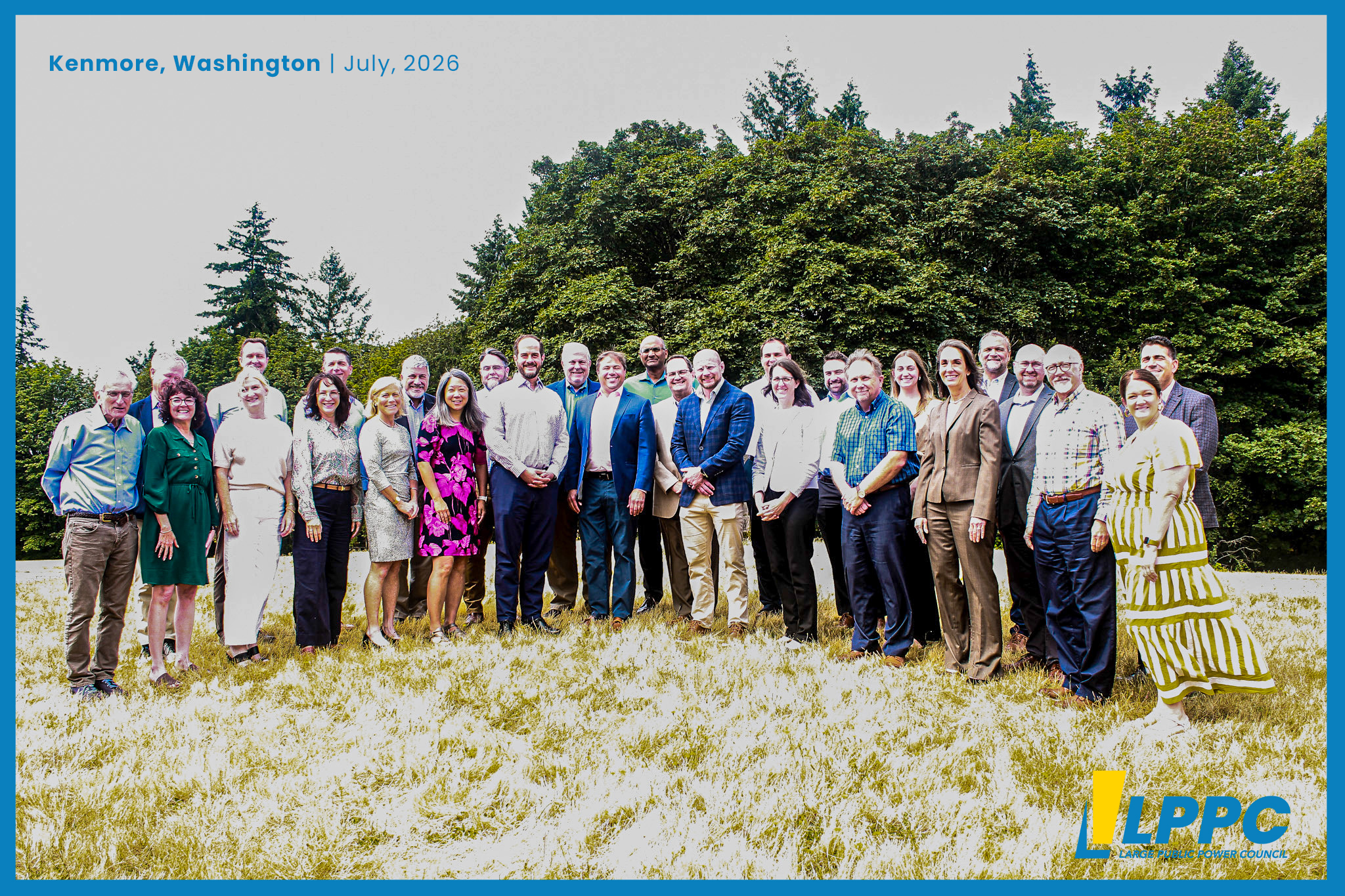
Last week, the volunteer leaders who chair LPPC's 34 task forces and networks gathered in Kenmore, Washington, for an annual planning meeting focused on one mission: ensuring the continued reliability and affordability of electricity for the more than 30 million Americans they serve.
These are working professionals at LPPC member utilities who take on a second job leading LPPC's policy and technical groups. More than 60 of them serve as Chairs and Vice Chairs across task forces, subcommittees, and executive networks covering everything from cybersecurity and grid hardening to rate design, supply chain, and nuclear.
Over two days, they reviewed what their groups accomplished in 2026 and where the current year's work plans stand, set objectives for 2027, and aligned on the strategic priorities that will shape the future of public power as utilities navigate unprecedented demand driven by AI and data centers, electrification, and the resurgence of American manufacturing. Across every discussion, one principle remained clear: protecting existing customers through reliable, affordable, and resilient service is the industry's highest priority.
The meeting also featured collaborative discussions on grid operations and cybersecurity, federal energy policy, supply chain resilience, AI applications in utility operations, and innovative business practices that will strengthen utility performance in the years ahead.
As one senior customer experience executive reflected:
"I hope customers know how much we care and how hard we work on their behalf. There's a feel-good aspect of public power that I never experienced in previous roles throughout my career. We're customers of the utilities we serve. We live in these communities, our kids go to school here, and we have a personal stake in ensuring our neighbors have safe, reliable, and affordable electricity. It's not just our job, it's our responsibility."
That is what sets public power apart: a customer-first model where the people setting the agenda are not only operators of critical infrastructure, but members of the communities they serve.