On National Hydropower Day, LPPC Endorses H.R. 9806/S. 3518, the Bipartisan Fair Licensing for Operations of Water Structures (FLOWS) Act
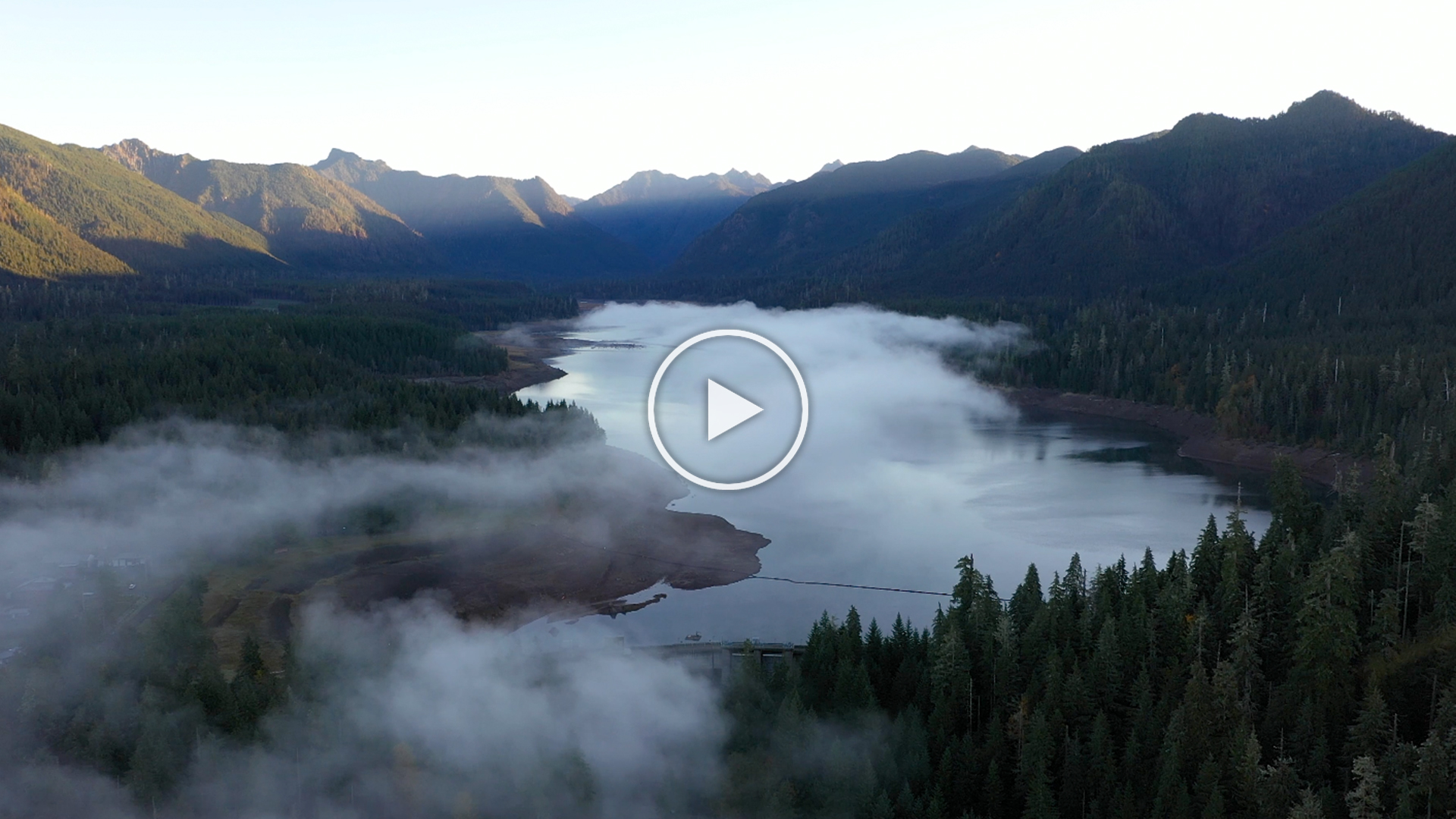
Hydropower is a critical part of America’s reliable and affordable electricity supply — and an especially important resource for LPPC member utilities (59% own hydropower, and 76% have it in their portfolio).
LPPC member utilities generate enough hydropower to serve approximately 5 million American homes, representing nearly 40% of the nation’s non-federal hydropower production¹⁻². For National Hydropower Day, LPPC is joining the National Hydropower Association in supporting H.R. 9806/S. 3518, the bipartisan Fair Licensing for Operations of Water Structures (FLOWS) Act, legislation designed to modernize federal requirements governing the operation and maintenance of hydropower facilities.
Introduced in the Senate by Sens. Lisa Murkowski (R-AK) and Angus King (I-ME), the FLOWS Act would amend Sections 10(b) and 10(c) of the Federal Power Act to provide hydropower operators greater flexibility to perform routine work at existing facilities. A bipartisan House companion, H.R. 9806, was introduced by Reps. Nick Langworthy (R-NY) and Kim Schrier (D-WA).
Removing Unnecessary Barriers to Routine Hydropower Operations
Hydropower facilities operate under long-term FERC licenses that can extend for decades and establish extensive requirements governing their operations. Yet even after completing that licensing process, operators can face additional federal approval requirements when performing work necessary to maintain and operate their facilities.
The FLOWS Act takes a targeted approach to addressing this issue.
Under the legislation, hydropower licensees would no longer need prior FERC approval for non-substantial alterations or additions to project works that fall within plans already approved by the Commission. The bill would similarly remove prior-approval requirements for routine maintenance, repairs or equipment replacement necessary to maintain project works, as well as seasonal or temporary operational adjustments made in response to circumstances beyond an operator’s reasonable control.
Importantly, these reforms would not eliminate FERC's safety oversight. The legislation expressly preserves the Commission's authority to require notice from licensees, enforce license requirements related to dam safety, consult with operators before work is undertaken, and require changes when necessary to protect the safety of dams and related structures.
For not-for-profit public power utilities, that distinction matters. Regulatory costs do not accrue to shareholders—they are ultimately borne by the communities and customers public power utilities serve. Streamlining unnecessary approvals for routine work can allow utilities to direct more resources toward maintaining and investing in the infrastructure responsible for delivering reliable, affordable electricity.
Creating a Pathway for Emerging Hydropower Technologies
The FLOWS Act also looks to the next generation of hydropower by establishing a new expedited licensing pathway for micro hydro-kinetic energy projects.
The legislation defines these as projects of 5 megawatts or less that generate electricity from waves, tides, ocean or river currents, or free-flowing water in rivers, lakes, streams and man-made channels without impounding water. Licenses issued through the new process could run between 10 and 20 years.
Rather than subjecting these relatively small projects to the same timelines associated with much larger conventional hydropower facilities, the FLOWS Act would require FERC to take final action on a completed license application within 2 years. It also directs FERC and other federal permitting or conditioning agencies, where reasonably practicable, to establish a coordinated schedule for completing required federal decisions and authorizations.
The legislation therefore offers an important model for permitting reform: match the regulatory process to the scale and potential impact of the project while maintaining appropriate safety and environmental protections.
Protecting and Expanding a Critical Public Power Resource
Hydropower facilities are among the longest-lived resources on the electric grid. Maintaining these assets — and creating reasonable pathways for new technologies is increasingly important as utilities confront growing electricity demand while continuing to prioritize reliability and affordability.
For LPPC members, hydropower already provides a substantial source of reliable generation to communities across the country. Federal policy should support utilities' ability to maintain these resources efficiently rather than impose unnecessary regulatory costs for routine work ultimately borne by the customers and communities our members serve.
The FLOWS Act represents a practical, bipartisan step toward that goal: reducing unnecessary regulatory barriers, improving federal coordination, preserving FERC's critical dam-safety responsibilities, and creating a more workable pathway for emerging hydropower technologies.
LPPC thanks Sens. Lisa Murkowski and Angus King and Reps. Nick Langworthy and Kim Schrier for their leadership and bipartisan work to strengthen one of the nation's most important sources of reliable and affordable electricity.
Sources:
¹ - Existing Hydropower Assets (EHA) Plant Database, 2025, and EHA Annual Capacity Factor Database, 2005-2024, Oak Ridge National Laboratory (ORNL) for DOE’s Water Power Technologies Office
² - EHA Annual Capacity Factor Database (ORNL), 2025 | Three-year average net generation, 2022-2024 | Assumes average U.S. household electricity use at 10,500 kWh/year, (EIA - Electricity Use in Homes)